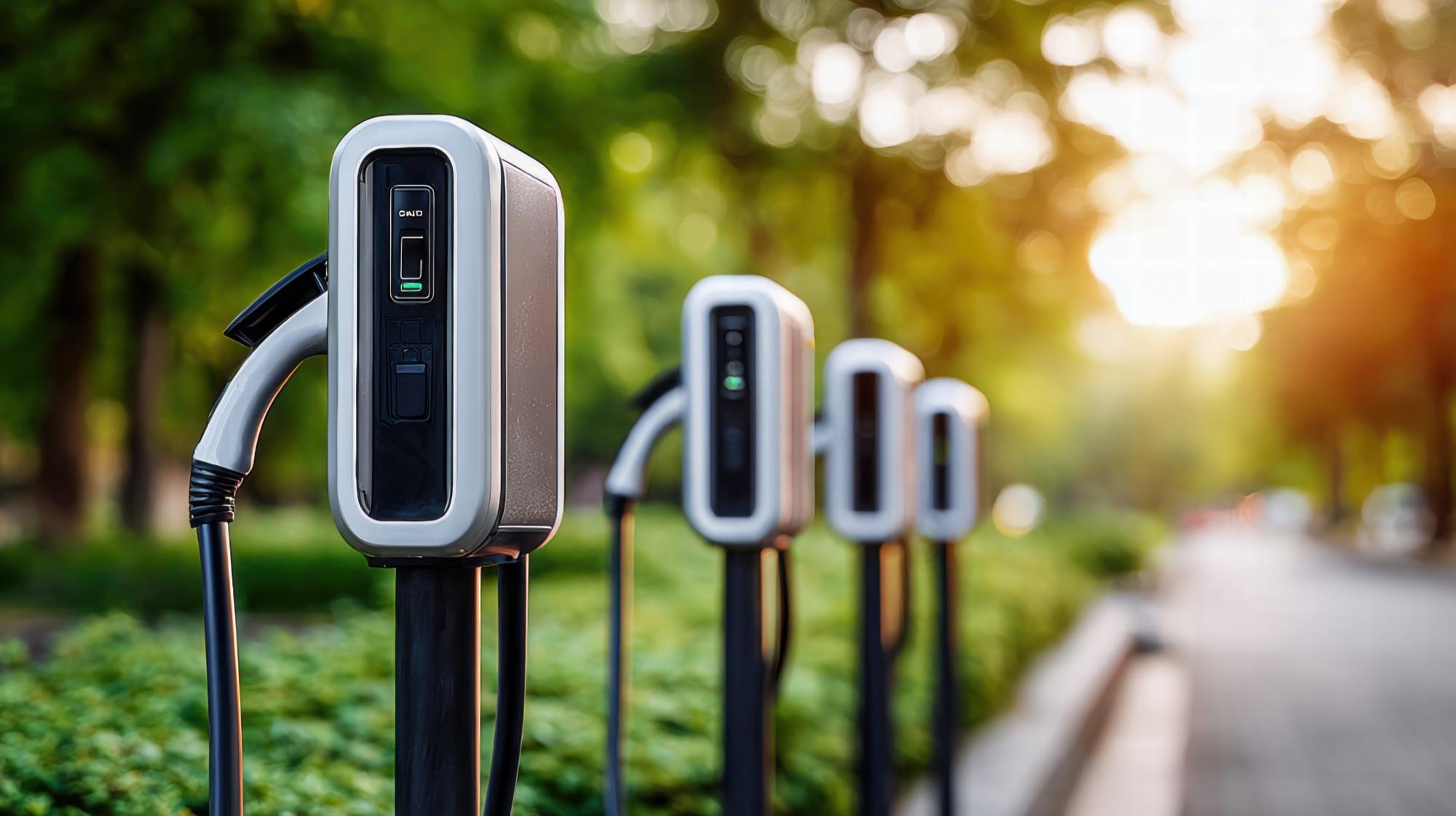
Manage connectivity across EV chargers, payment terminals, and energy management systems from one platform built for modern charging networks.

One SIM
180+ countries · multi-network fallback
Any form factor
2FF, 3FF, 4FF, MFF2, eSIM (eUICC)
Any protocol
OCPP 1.6 · OCPP 2.0.1 · MQTT · TLS
Any scale
No per-SIM monthly minimums
Every charger is different. Data usage depends on charger type, payment terminals, firmware updates, OCPP communications, remote diagnostics, and how often the charger reports back to the management platform. The examples below provide a general starting point for planning EV charging deployments.

Ranges are typical for European and North American deployments Simbase observes in production. Actual usage depends on OCPP implementation, telemetry cadence, and what's bundled with the charger (screen, camera, payment, DCS). Numbers should be validated against your own telemetry before committing to a plan.
EV chargers regularly download firmware, security patches, and software updates that can quickly exceed plans designed for low-bandwidth IoT devices. Connectivity should support the full operational lifecycle of the charger, not just routine telemetry.
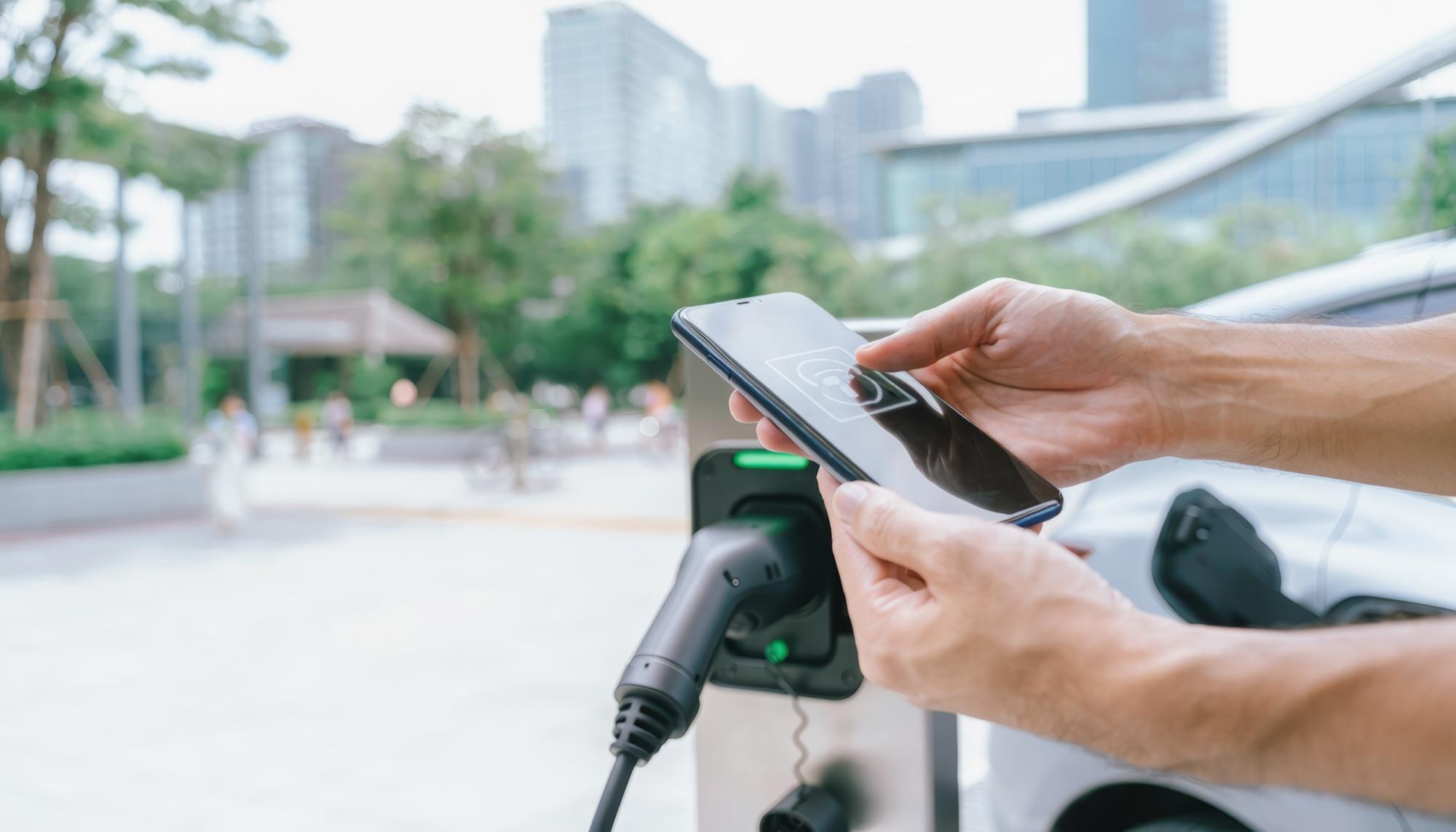
Charging locations depend on reliable connectivity for OCPP communications, payment processing, and remote management. Multi-network connectivity helps maintain service when coverage varies between carriers or network conditions change.
When a charger goes offline, operators need to quickly determine whether the issue is the network, SIM, charger, or application. Centralized diagnostics and API access help reduce downtime by providing real-time visibility across the entire charging network.

Deploy chargers across regions with one SIM strategy. Multi-network connectivity helps maintain reliable connections for charging sessions, remote management, and payment processing as your network grows.

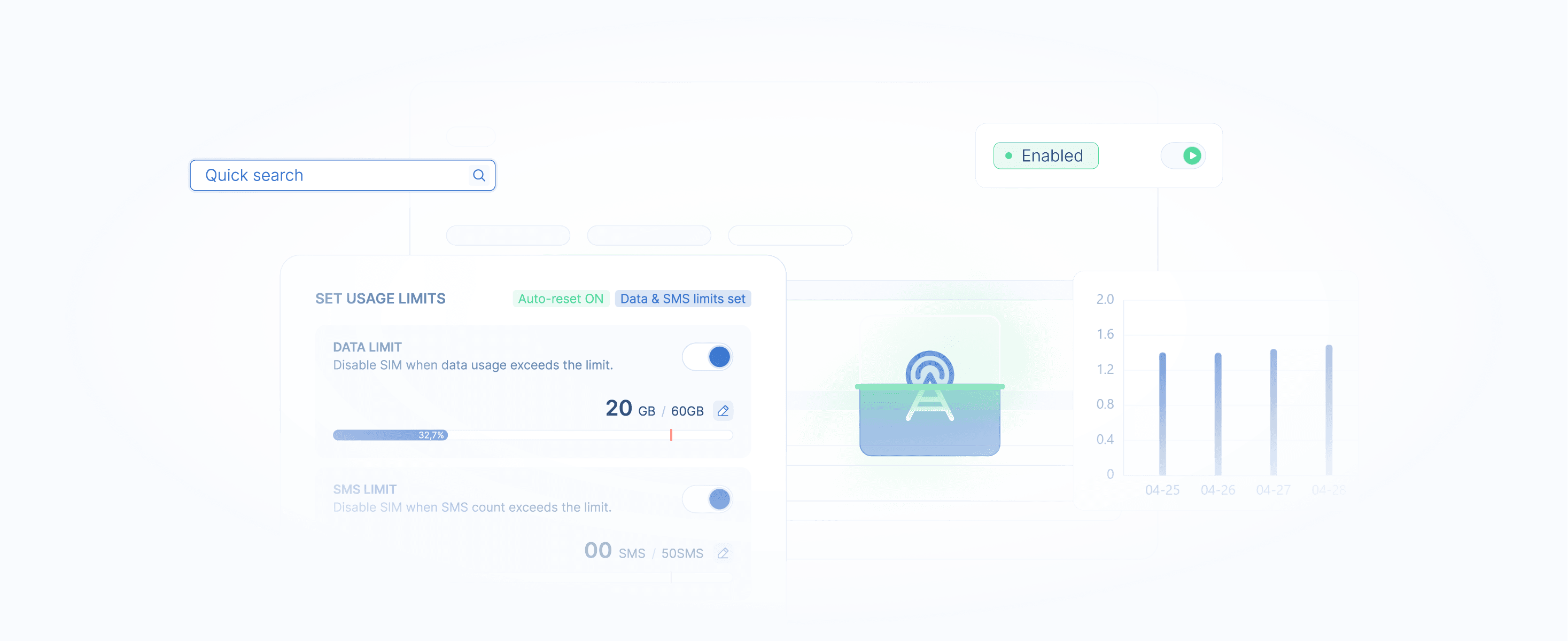
Monitor connectivity across every charging location, track data usage, and quickly identify whether an issue is related to the network, SIM, or charger before dispatching a technician.

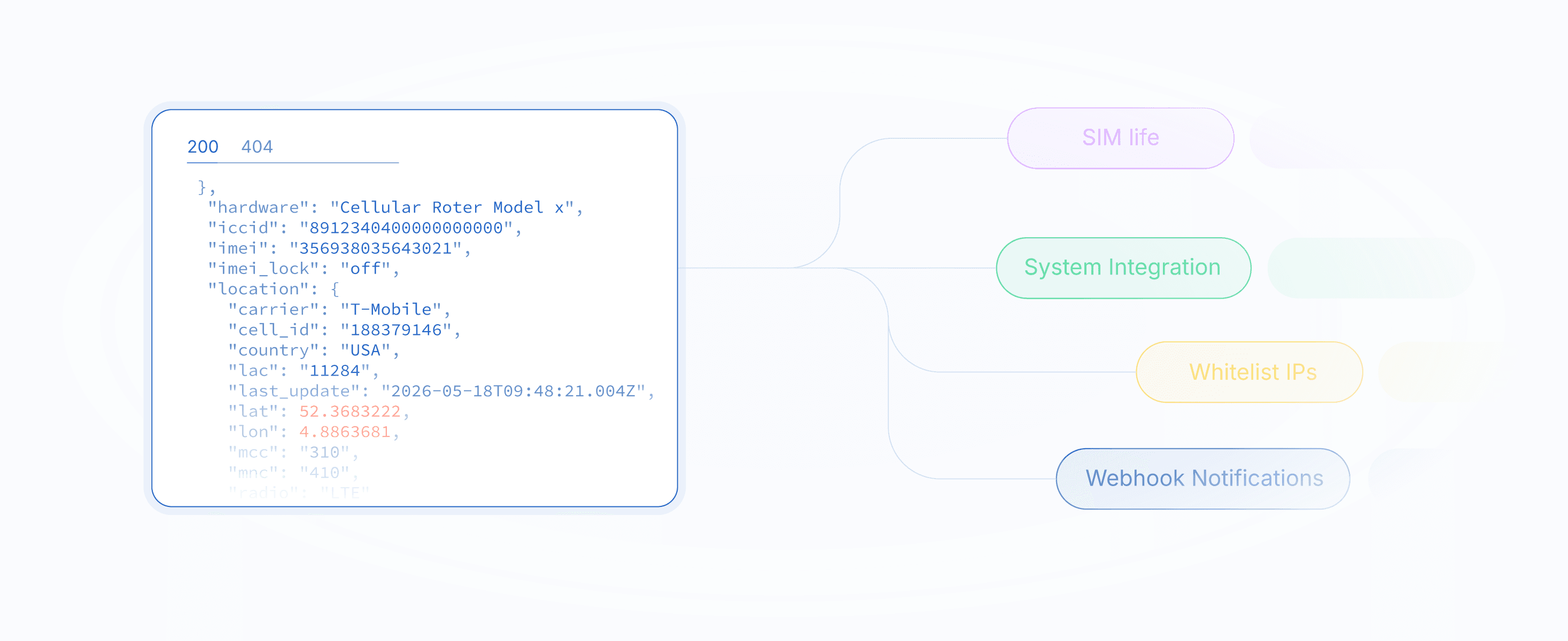
Integrate Simbase with your CPMS and operational systems using APIs and webhooks to automate provisioning, monitor charger connectivity, and streamline network management.

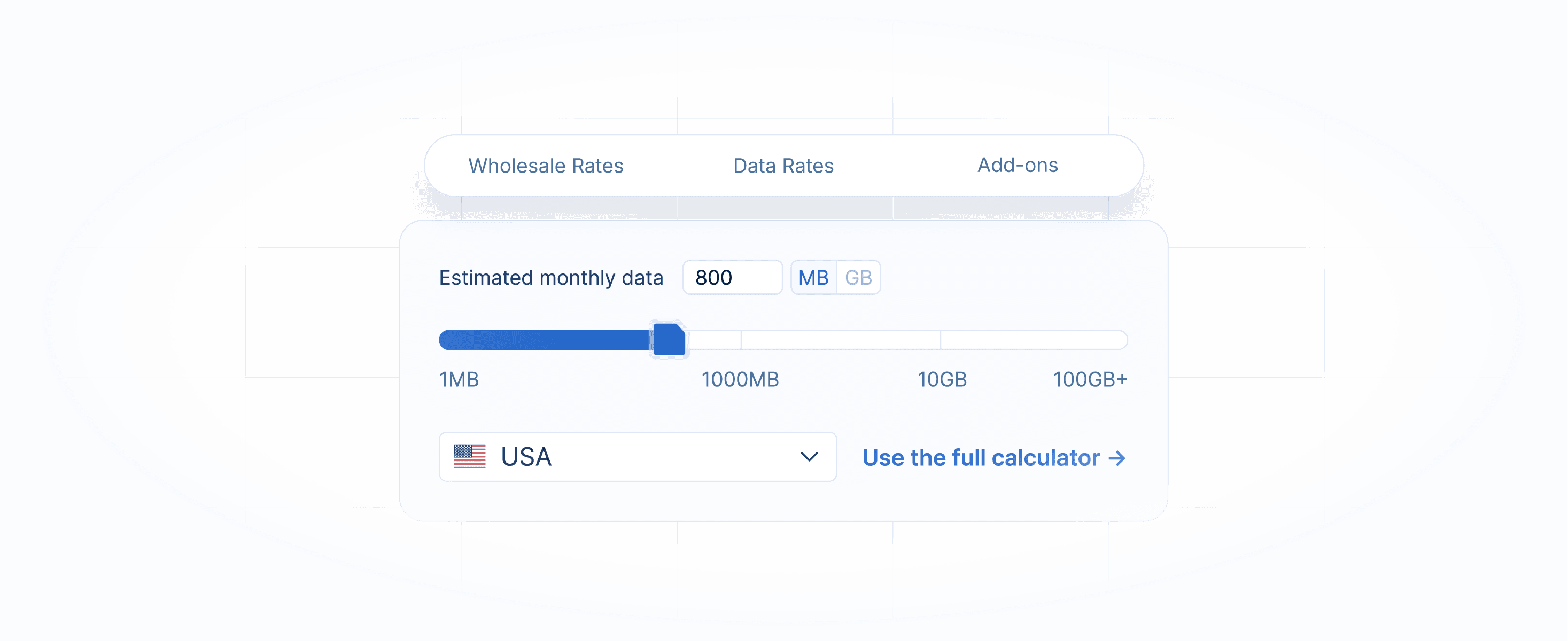
Whether you're deploying ten chargers or ten thousand, transparent pricing and flexible plans make it easy to scale without long-term contracts or unnecessary complexity.

Assessments as of 2026, based on publicly advertised plans and feedback from shared prospects. Published for transparency, not to disparage.
EVSE / charger OEMIntegrate a Simbase SIM or eSIM into your charger design and simplify global deployments with one connectivity strategy.
Charge point operatorMonitor every charger's connectivity in real time and quickly identify network issues before they impact drivers. Multi-network connectivity helps keep charging stations online.
CPMS / eMobility platformOffer managed connectivity through a single API integration and simplify SIM management across every deployment.
Fleet / depot chargingConnect chargers across depots, warehouses, and fleet yards with resilient cellular connectivity. Reduce reliance on local networks and simplify deployments across every site.
If any of your questions remain unanswered, reach out to our team to answer them for you.
The right SIM depends on your hardware design and deployment requirements. Plastic SIMs (2FF, 3FF, or 4FF) are commonly used for serviceable installations, while MFF2 and eSIM solutions are designed for embedded applications that require greater durability in demanding outdoor environments. Simbase supports all major SIM form factors to fit your deployment.
Not always. Many EV charging deployments operate successfully using standard cellular connectivity. However, organizations with enhanced security, network segmentation, or compliance requirements may benefit from a Private APN. Simbase offers Private APN options for deployments that require additional control over network traffic.
Permanent roaming is when a SIM registered in one country stays connected to a foreign network indefinitely. Some EU regulators and MNOs restrict this — a SIM provisioned in, say, the Netherlands could be disconnected after 90 days on a German network. Multi-IMSI SIMs avoid this entirely: they carry a local profile for each deployment country, so the charger registers as a domestic device, not a roamer. Simbase SIMs use local IMSI profiles in key markets to eliminate permanent roaming risk.
Simbase supports a wide range of EV chargers that use cellular connectivity, including models with physical SIMs and eSIM technology. Whether you're deploying AC chargers, DC fast chargers, or high-power charging infrastructure, Simbase provides flexible connectivity that integrates with your existing hardware and charging platform.
Data usage varies depending on charger type, OCPP communications, payment processing, remote diagnostics, and firmware updates. Basic AC chargers often use relatively little data, while DC fast chargers and high-power chargers may require significantly more. Simbase helps you choose connectivity plans that match the real-world demands of your deployment.
Yes. Simbase supports global deployments with Multi-IMSI SIMs and eSIM technology, allowing you to simplify international rollouts with a single connectivity strategy. Instead of sourcing different SIMs and carrier agreements for each country, you can deploy the same solution across multiple regions while managing connectivity from one centralized platform.
A single OTA update can be 50–500 MB depending on whether it's a delta patch or a full-image push. Most chargers receive 2–4 updates per year from some combination of OEM firmware, CPMS agent, payment terminal software, and modem firmware. On a capped plan like 1NCE (500 MB / 10 years), one firmware event can consume years of data allowance. Simbase pools data across your fleet, so OTA spikes are absorbed by headroom elsewhere — no overage surprises.