Broadcasting & Live-Streaming

Always-on Live Streaming

hero graphic

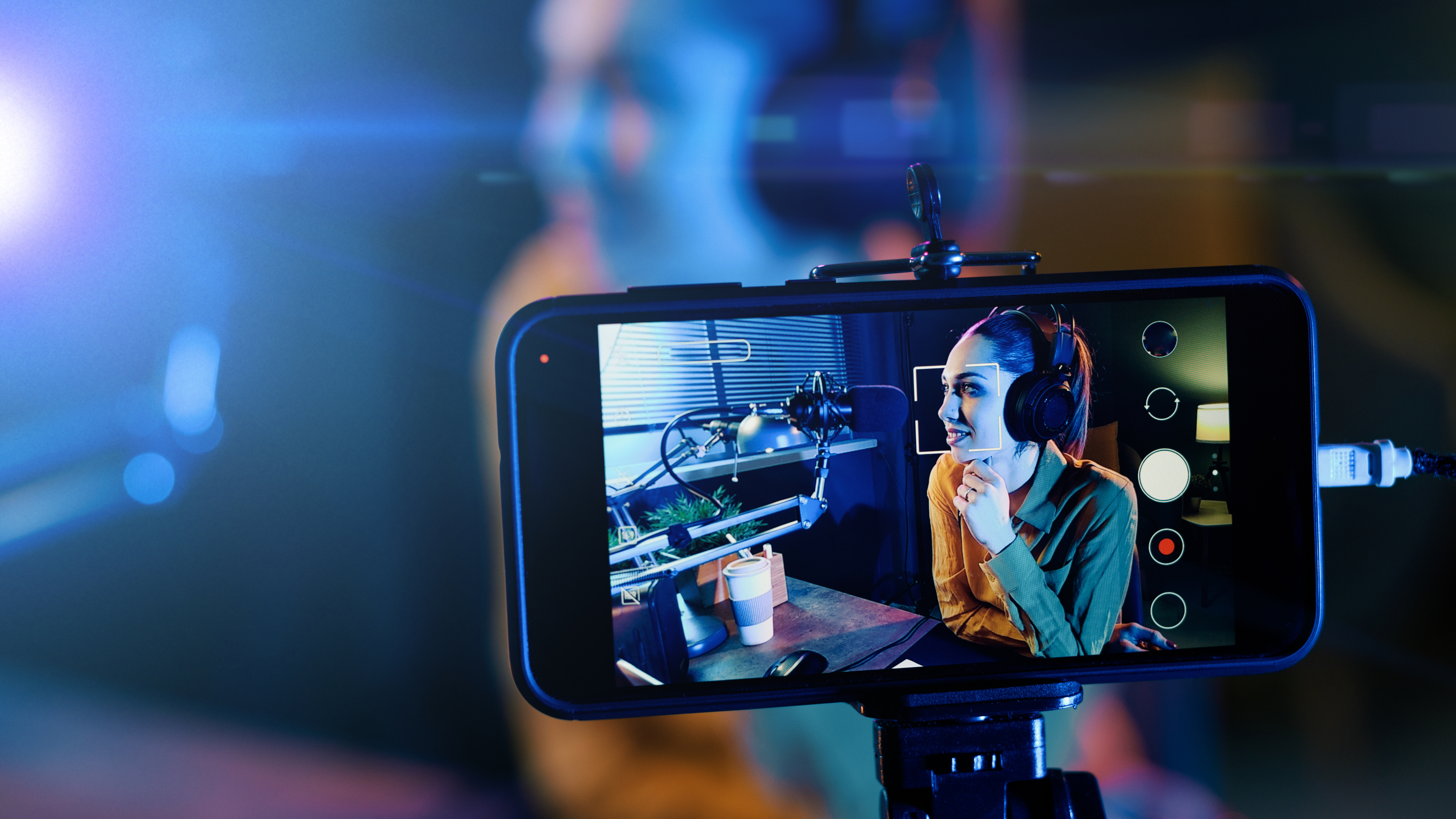
Go Live. Stay Live.

In broadcasting and live streaming, every second counts. Simbase delivers high-bandwidth, low-latency SIMs built for field transmission, bonded cellular rigs, and mission-critical events, so you can stream from virtually any location without interruption.

With seamless network switching and flexible, contract-free plans, you get reliable performance when and where it matters most.

Reliable, Mobile-First Connectivity

for Video in Motion

Flexible Plans

High-Bandwidth

Plug-and-Play Control

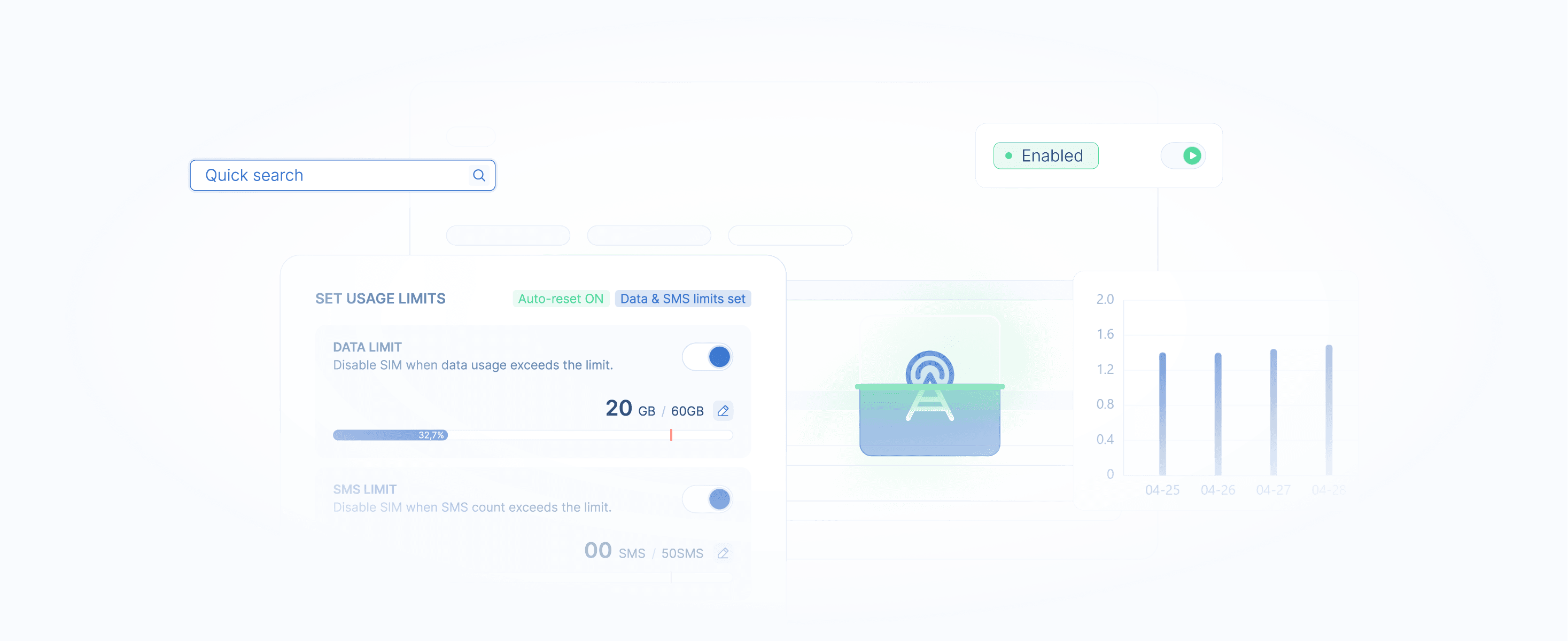
Live events don’t last forever, and neither should your connectivity commitments. Simbase makes it easy to spin up SIMs for days, weeks, or months. Pause, reactivate, or reassign SIMs on-demand, all without penalties or long-term contracts using our intuitive dashboard.

Simbase for
Broadcasting

Live events broadcasting

Live events broadcasting

From captivating live sporting events to on-site news reporters connecting in real-time, IoT technology seamlessly contributes to delivering an exceptional and engaging viewer experience. Embracing IoT enables broadcasters to create immersive and interactive content, keeping audiences connected like never before.
Full control of SIMs
Adjust coverage
Bring your team
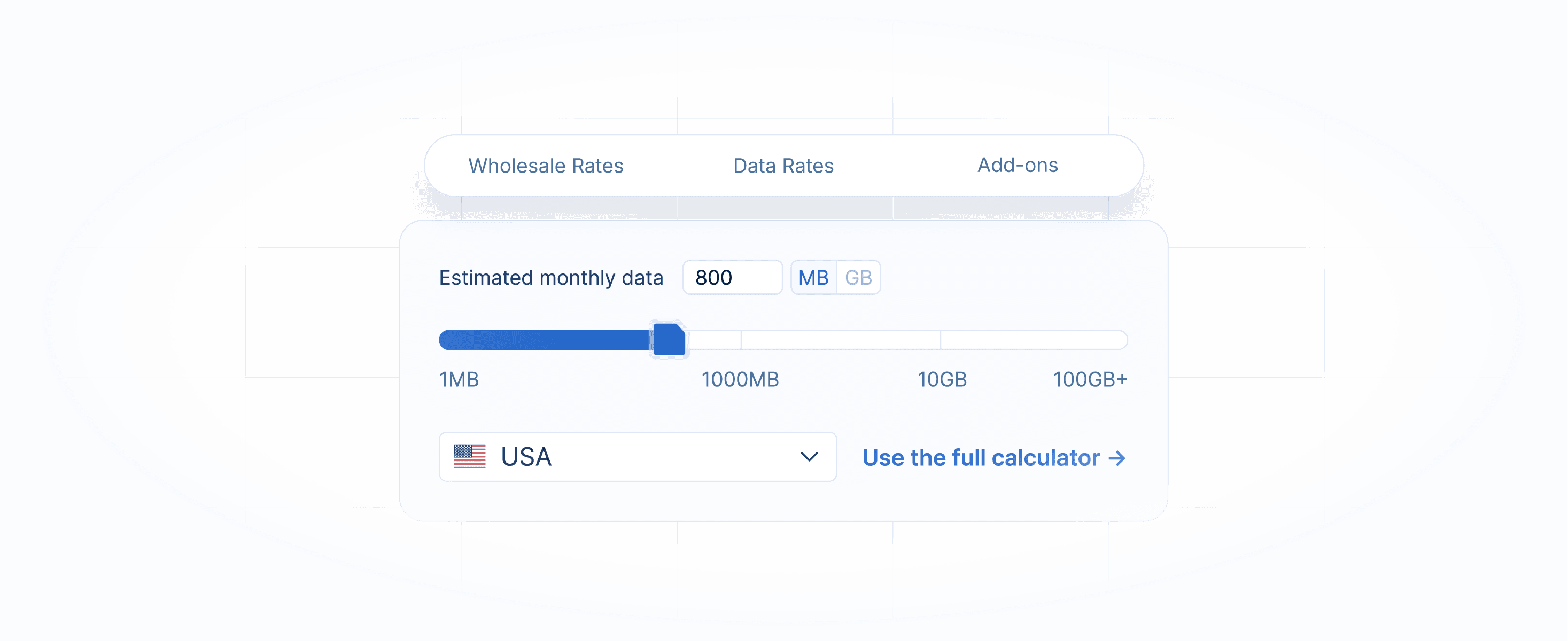
Billing overview

Cellular bonding

By integrating IoT devices into cellular bonding setups, businesses can aggregate multiple cellular connections for increased bandwidth and reliable data transmission. This synergy ensures seamless and uninterrupted live streaming, remote monitoring, and mission-critical applications in sectors like broadcasting, surveillance, and emergency response. IoT-powered cellular bonding optimizes network performance, enabling organizations to achieve higher data rates, lower latency, and enhanced overall connectivity for their critical operations.
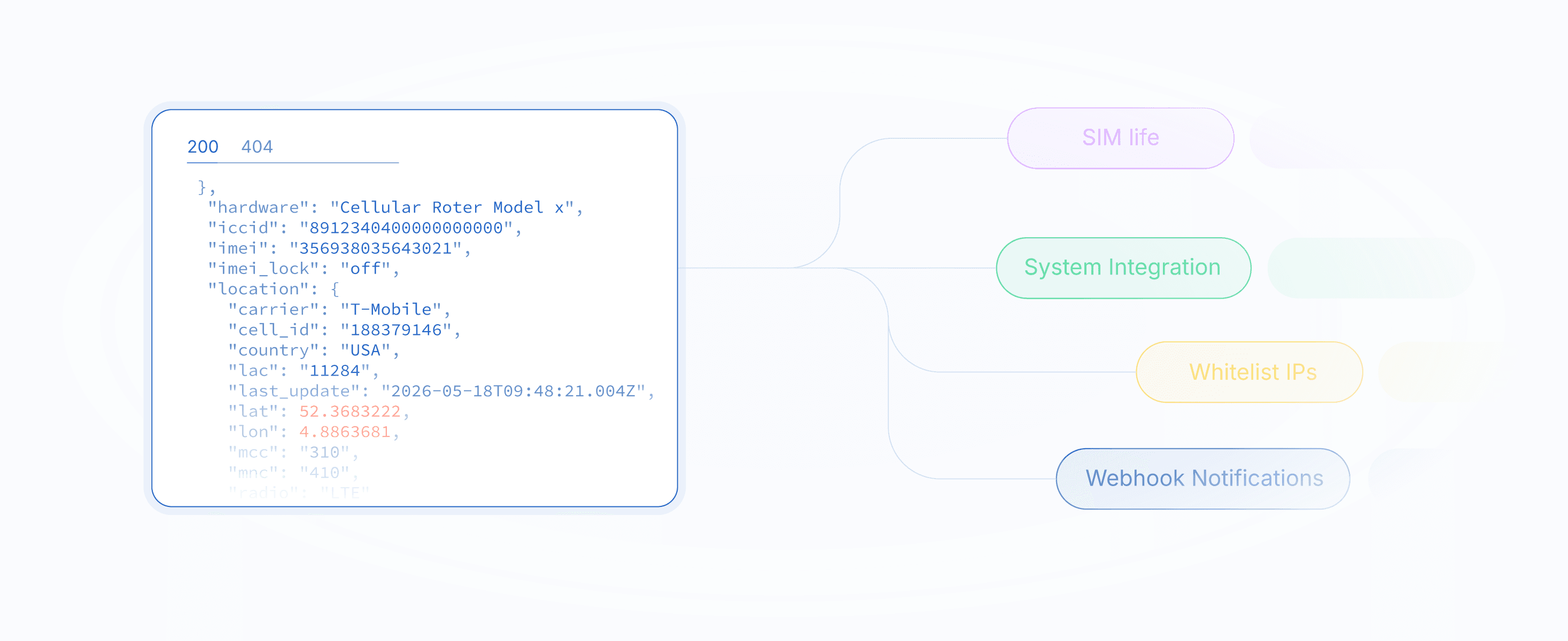
Real-time Connection Status
Network Events
Device Location
Connected IMEI
Cellular bonding
Live streaming solutions

Live streaming solutions

IoT devices can easily be integrated into live streaming setups where users can capture and transmit high-quality content from various perspectives, including drones, wearables, and smart cameras. This technology enables real-time data collection and analytics, offering valuable insights into audience engagement and preferences.
Deploy Public IPs for VPNs
Deploy OpenVPN
Deploy IPsec
Add Theft Protection
get started image

Get Started with Simbase

  • arrowStream
  • arrowConnect
  • arrowSecure

Frequently Asked Questions

If any of your questions remain unanswered, reach out to our team to answer them for you.

What is IoT in broadcasting?

IoT in broadcasting refers to the use of connected devices and systems to automate and enhance content delivery, monitoring, and distribution. IoT enables broadcasters to collect real-time data, manage content more efficiently, and provide seamless experiences for viewers. For insights on how IoT drives innovation in other industries, check out our page on IoT for smart agriculture.

What are the benefits of using IoT in broadcasting?

The benefits of IoT in broadcasting include enhanced content delivery, improved data-driven decision-making, real-time monitoring of broadcast equipment, and better audience engagement. IoT can optimize broadcasting workflows and increase operational efficiency, leading to more reliable and personalized services.

What types of IoT devices are used in broadcasting?

IoT devices used in broadcasting include smart cameras, connected sensors for environmental monitoring, automated control systems, and devices that track content consumption across platforms. These devices help in streamlining the broadcasting process and improving the quality of content delivery.

How does IoT help in content delivery and distribution?

IoT helps in content delivery and distribution by automating workflows, optimizing content routing, and providing real-time analytics on audience engagement. This allows broadcasters to tailor content based on viewer preferences, ensuring a more engaging experience while reducing latency in content distribution.

How can IoT reduce broadcasting costs?

IoT reduces broadcasting costs by automating various aspects of production, monitoring, and distribution, thus lowering the need for manual intervention. It also helps in predictive maintenance of equipment, reducing downtime and repair costs, while ensuring more efficient use of resources.