Healthcare

Connectivity You Can Trust For Critical Healthcare Operations

hero graphic

Secure Connectivity. Zero Downtime. No Exceptions.

Simbase helps healthcare teams stay connected, compliant, and in control across every device, site, and patient touchpoint.

The Connectivity Behind Confident Patient Care

Built-In Redundancy

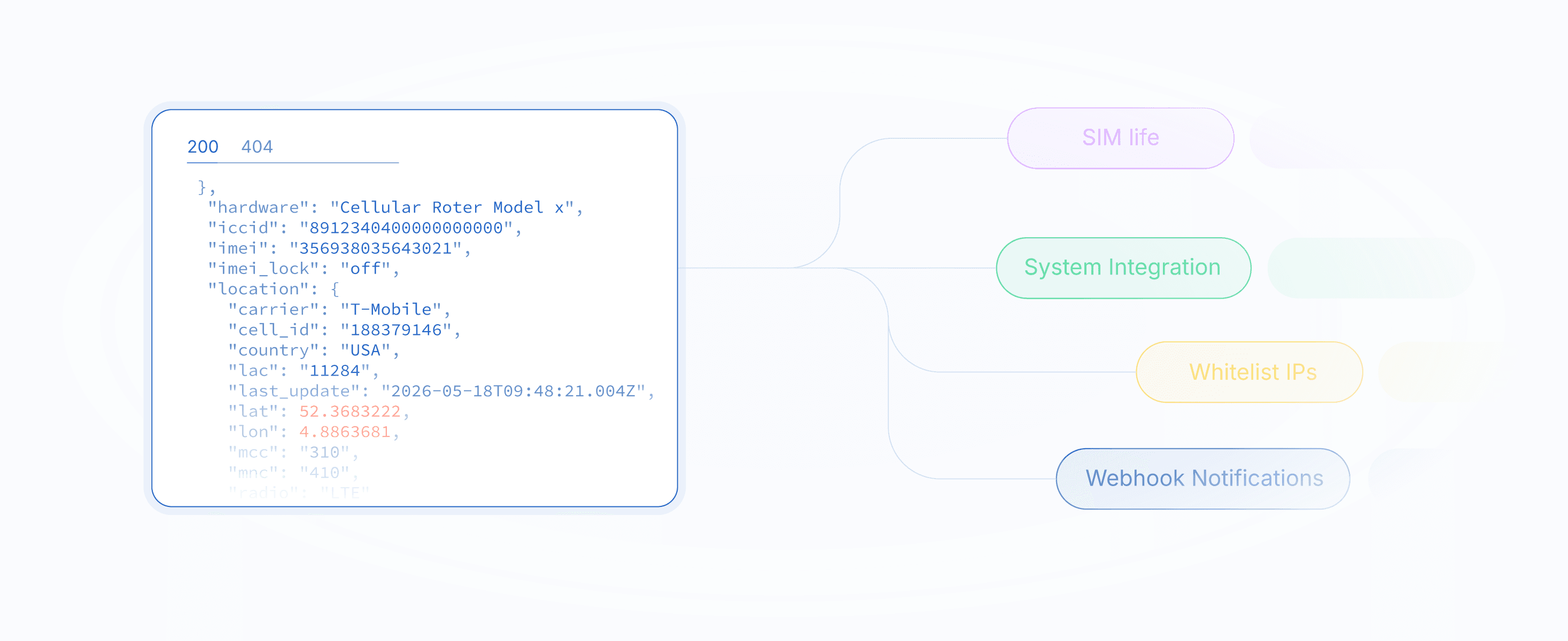
Secure & Compliant

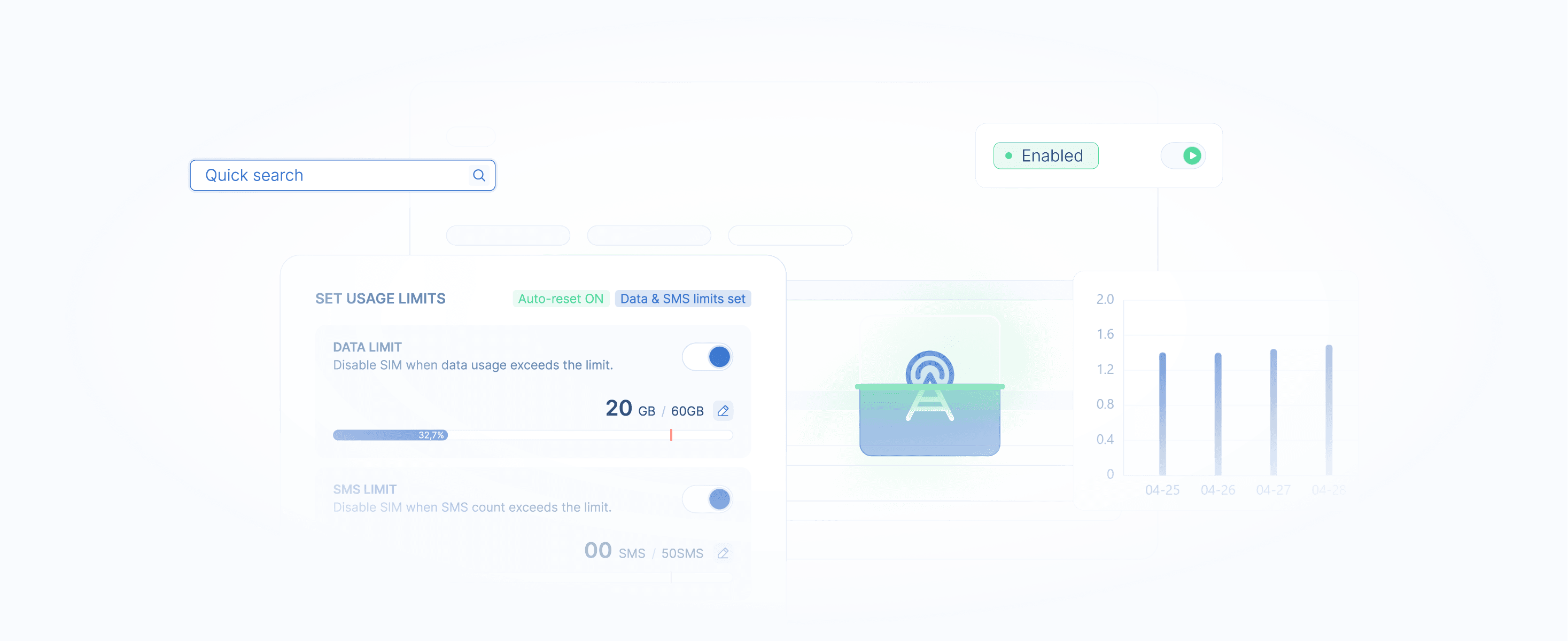
Total Visibility & Control

Keep your most critical systems online with multi-network SIMs that deliver seamless failover across carriers. Simbase ensures uninterrupted performance for connected medical devices, mobile clinics, and healthcare facilities without the risk of outages or blind spots. Our SIMs intelligently switch between top carriers to maintain a stable connection in any environment. No manual intervention. No lost signals. Just continuous uptime where and when it’s needed.

Powered by Simbase

empowering

"Simbase's cutting-edge IoT connectivity solutions transformed our delivery chain. We've not only achieved consistent compliance with GDP norms but have also enhanced our commitment to delivering medical shipments with care, transparency, and precision. We trust Simbase implicitly, knowing they’re as invested in our customers' satisfaction as we are." - Huub Zijlstra, Managing Director PostNL Healthcare

get started image

Get Started with Simbase

  • arrowControl
  • arrowMonitor
  • arrowScale

Frequently Asked Questions

If any of your questions remain unanswered, reach out to our team to answer them for you.

What is IoT in healthcare?

The Internet of Things (IoT) in healthcare refers to a network of connected devices and systems that collect and exchange health data. This enables real-time monitoring and remote care, improving overall efficiency in healthcare systems. For more insights into how IoT optimizes other industries, explore our page on IoT for fleet management.

How does IoT improve patient care in healthcare?

IoT improves patient care by enabling continuous health monitoring through wearable devices, smart sensors, and connected health systems. Doctors can access real-time data, allowing them to make timely interventions, personalized care plans, and even early diagnoses.

What are the benefits of using IoT in healthcare?

IoT in healthcare offers several benefits, including improved patient outcomes through real-time monitoring, reduced hospital readmissions, better management of chronic diseases, and enhanced patient engagement. It also facilitates seamless communication between healthcare providers and patients.

Can IoT be used for remote patient monitoring?

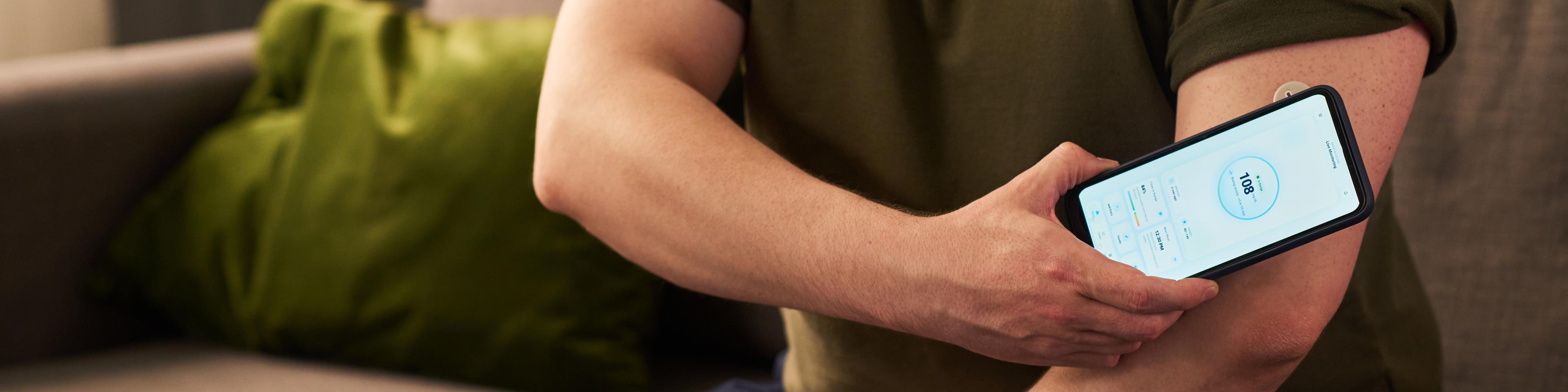
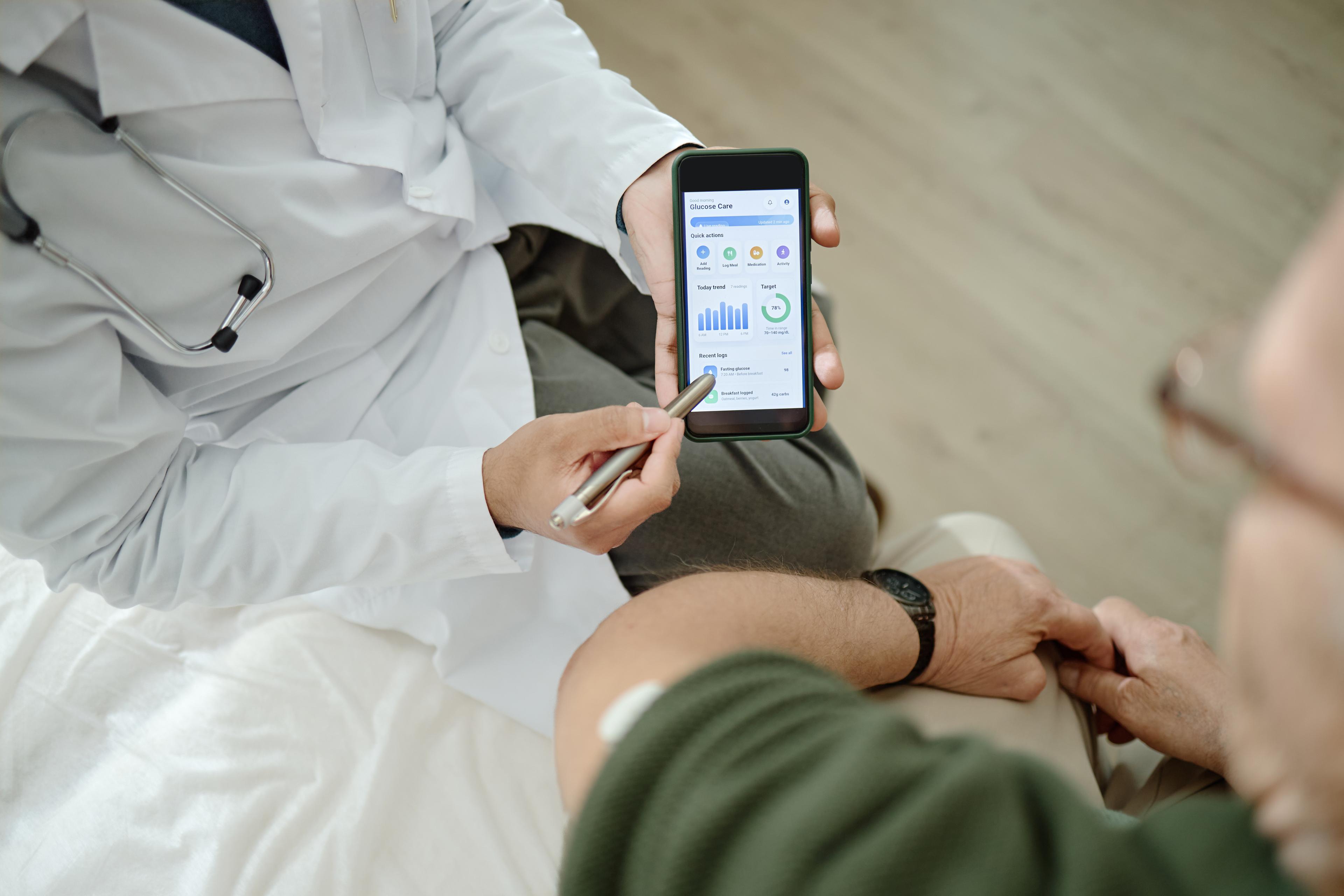
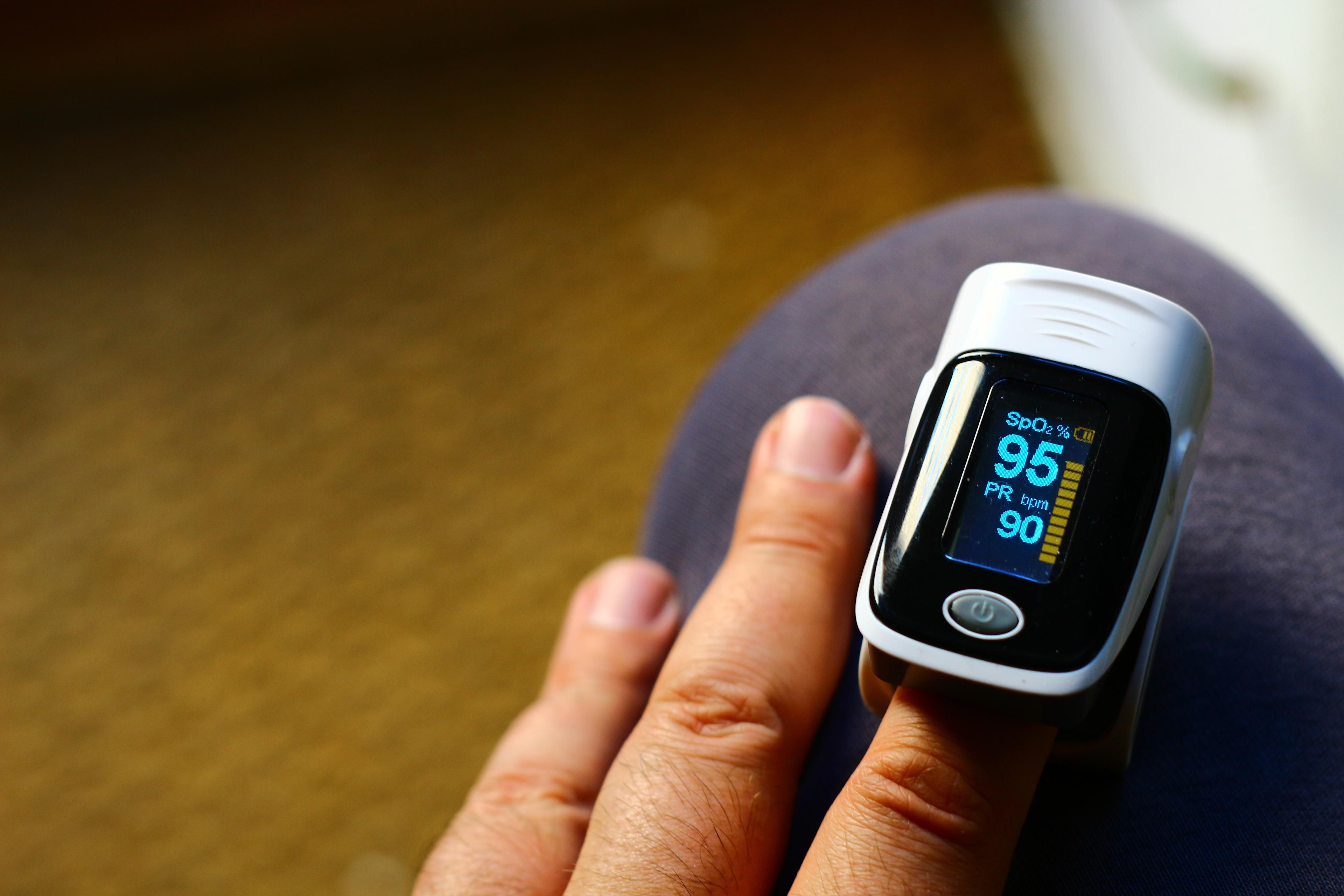
Yes, IoT is widely used for remote patient monitoring. Devices such as smartwatches, blood pressure monitors, and glucose meters send health data to healthcare professionals, reducing the need for in-person visits and providing continuous patient monitoring.

What types of IoT devices are used in healthcare?

Various IoT devices are used in healthcare, including wearable fitness trackers, smart implants, connected inhalers, remote monitoring devices, and smart beds. These devices help collect and transmit critical health data for analysis and immediate action when necessary.

How can IoT reduce healthcare costs?

IoT helps reduce healthcare costs by streamlining operations, reducing hospital readmissions, and improving the efficiency of resource use. Remote monitoring can minimize the need for hospital stays, while better data insights help avoid unnecessary treatments.