Smart Agriculture

Connectivity for Smart Farming and AgTech

hero graphic

Stay Productive. Grow Without Limits.

Deploy thousands of devices across farms, forests, and remote areas with uninterrupted connectivity.

Simbase’s rugged, multi-network SIMs, combined with our centralized management platform are built for rural coverage, long battery life, and real-time control, making large-scale deployments simple for lean teams.

Smart Agriculture Made Even Smarter

Rural Coverage

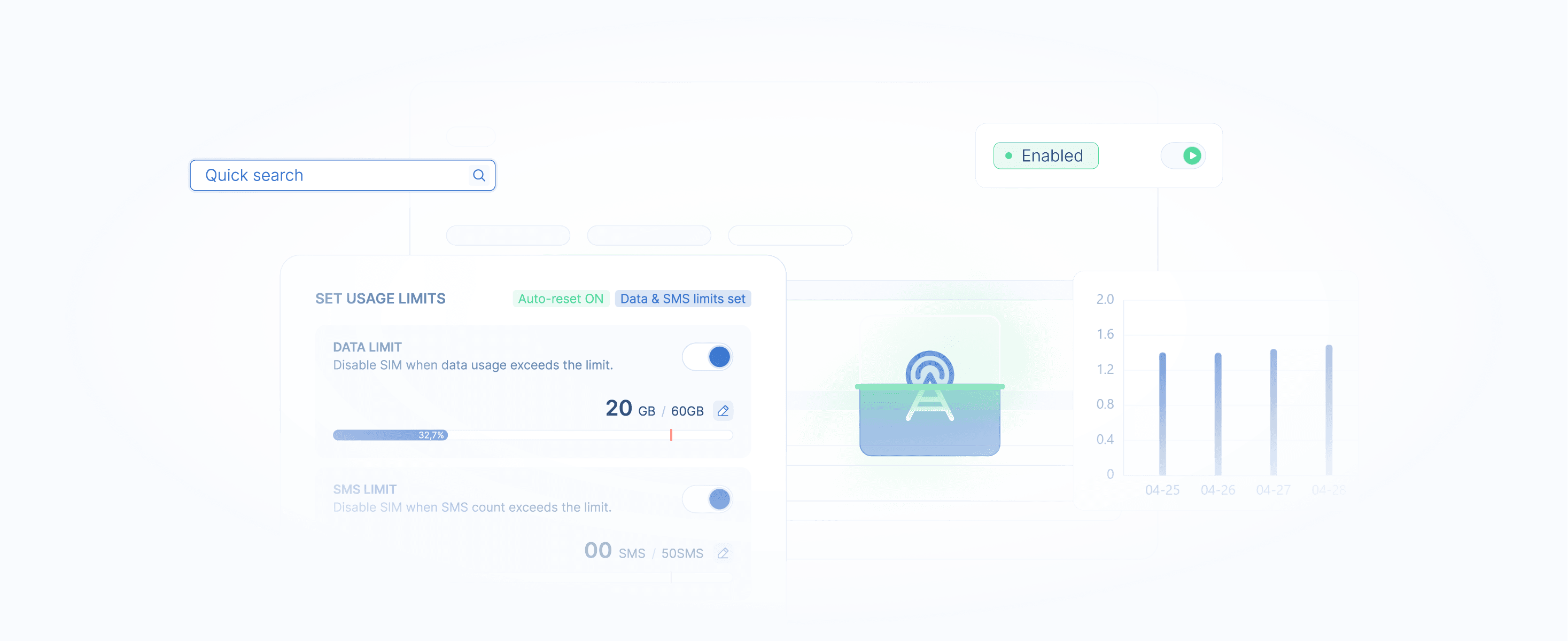
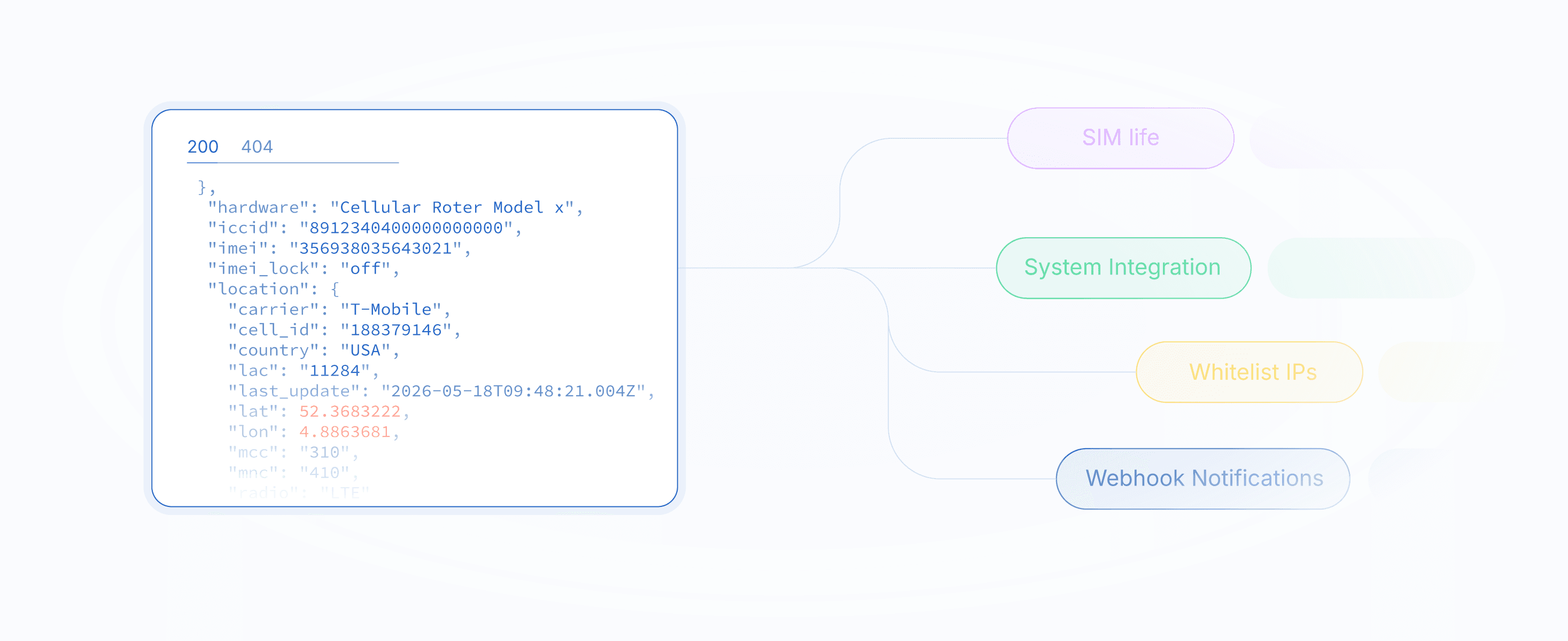
Easy Deployments

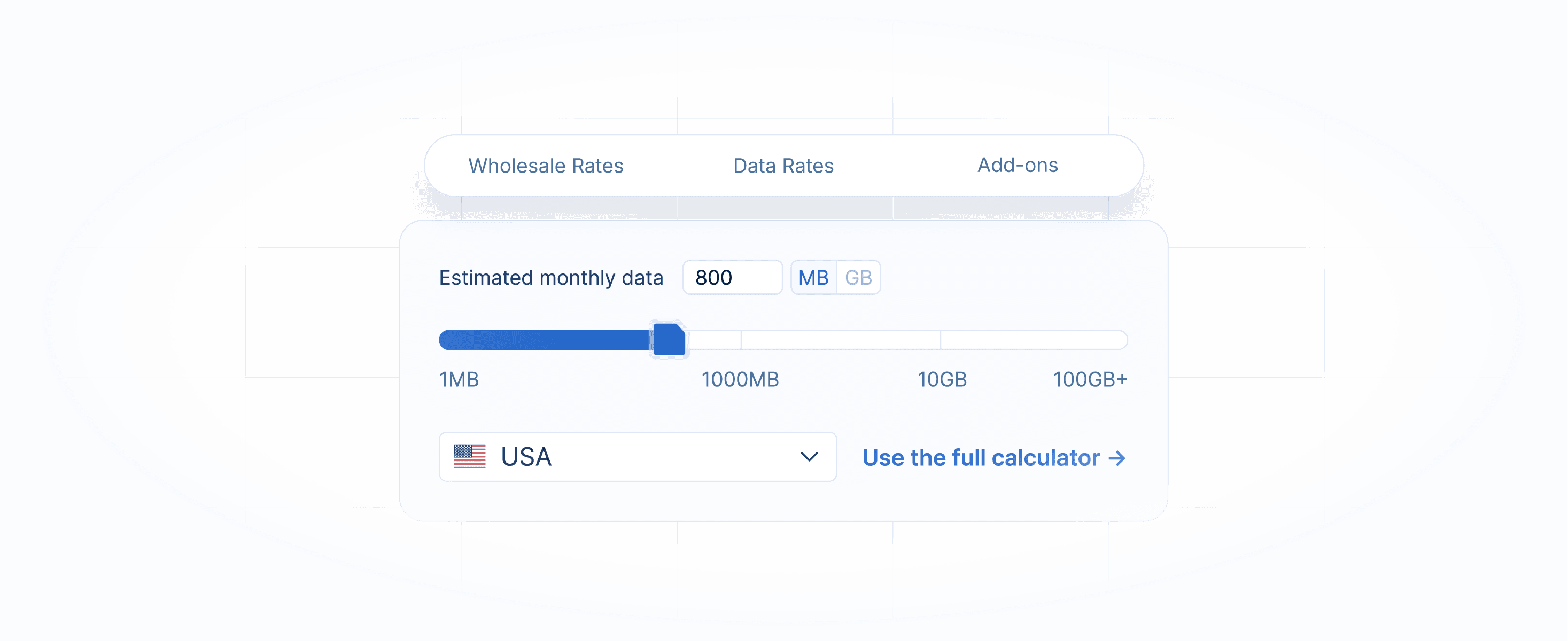
Flexible Data Plans

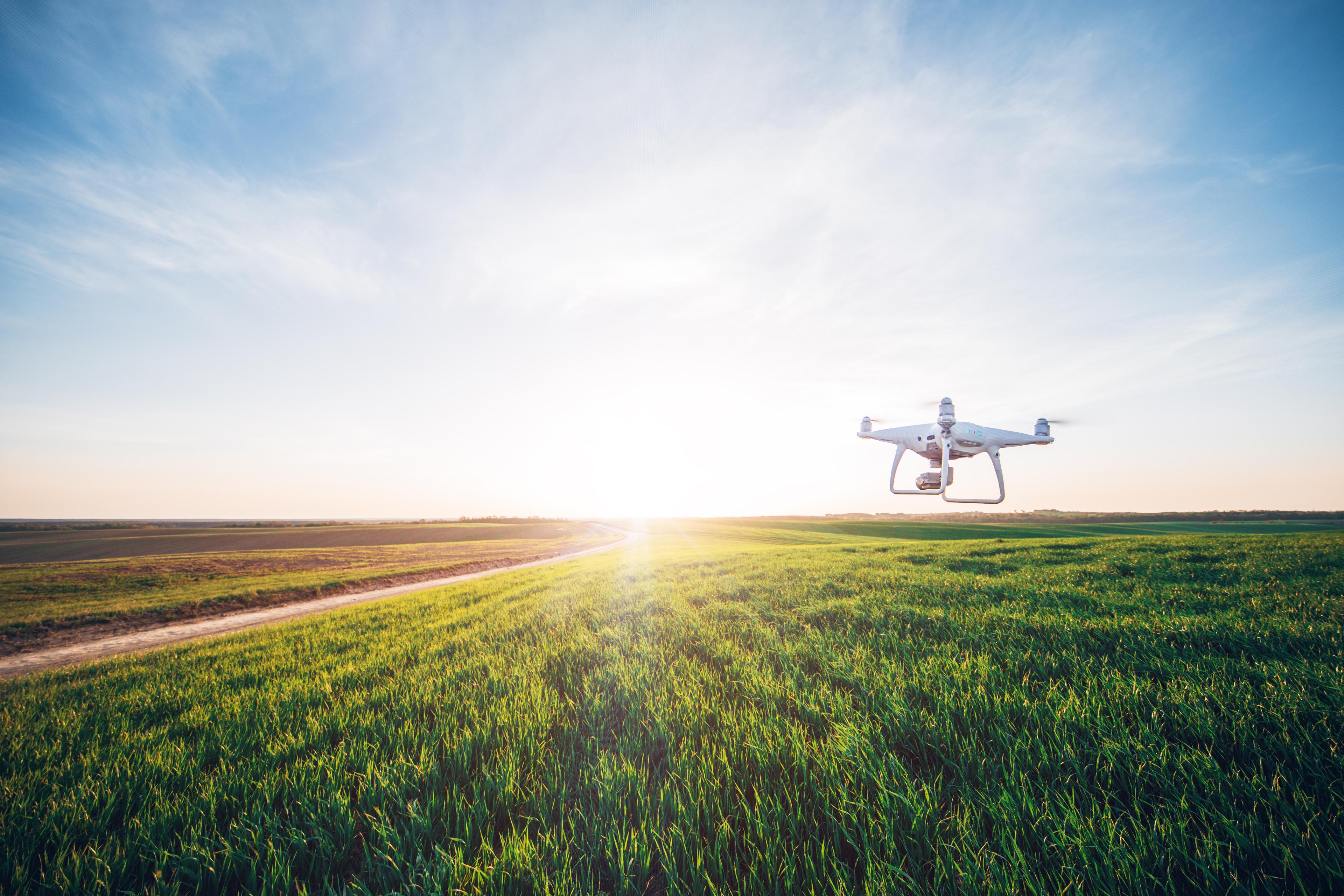
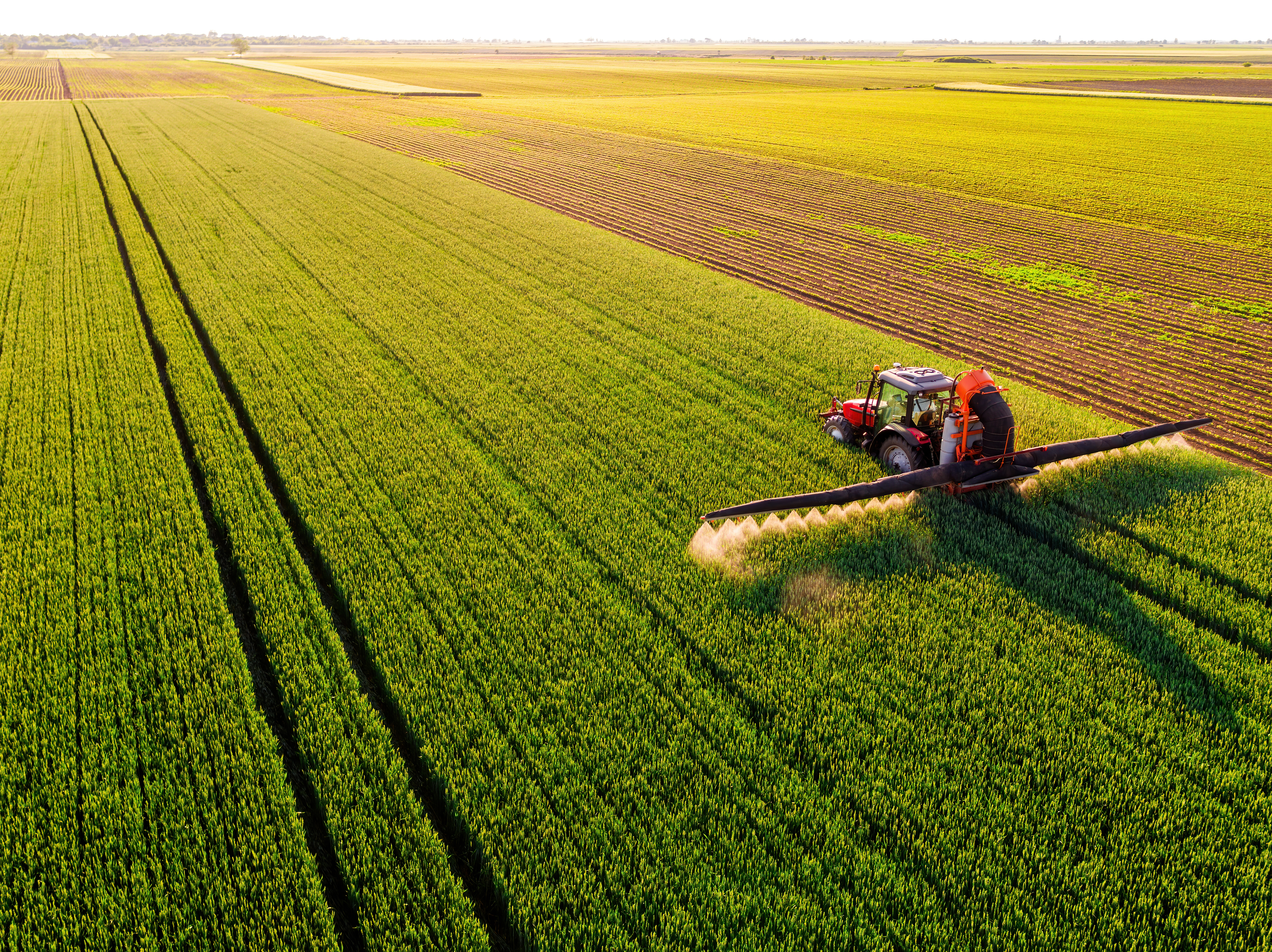
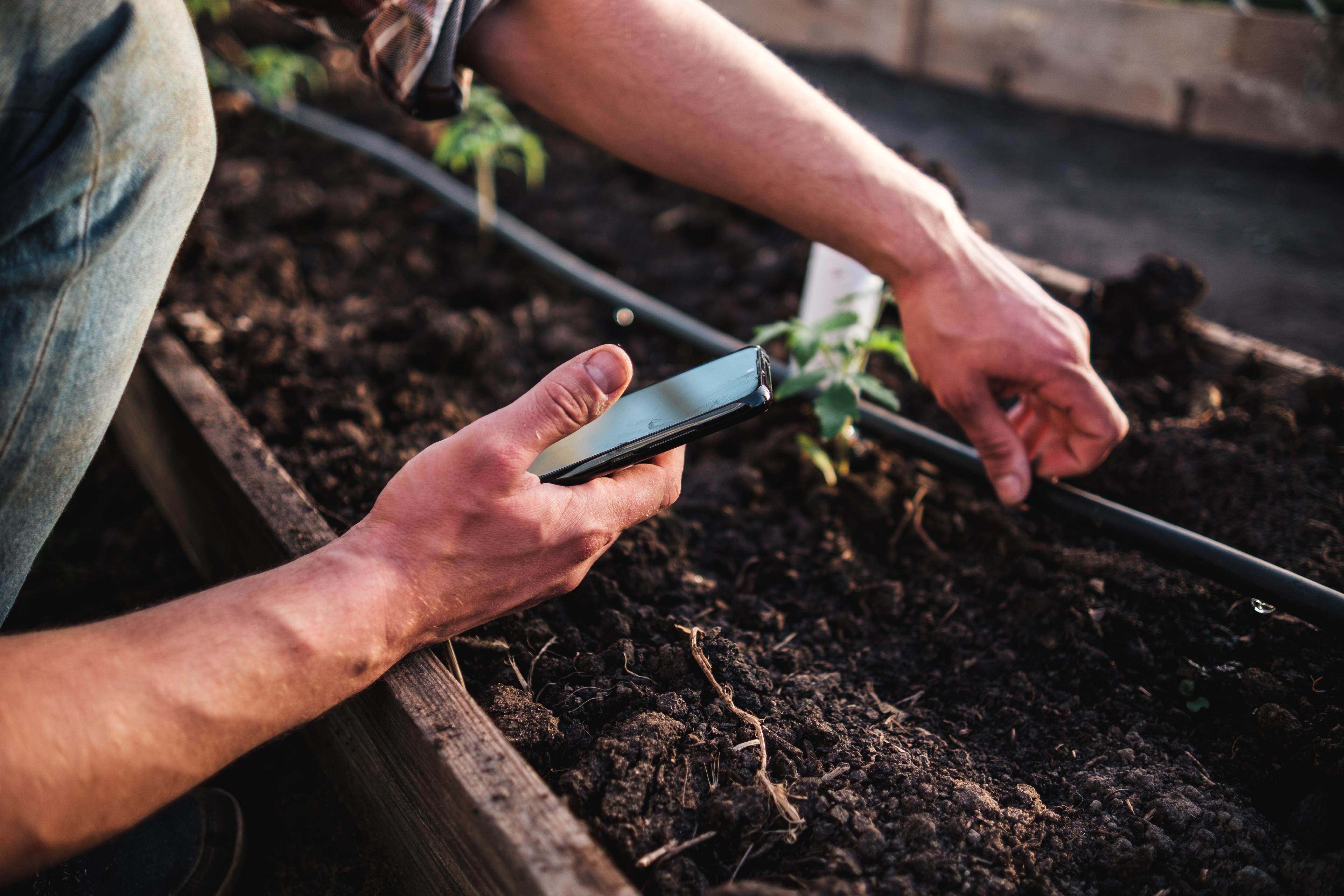
Downtime isn’t just inconvenient, it can cost you crops, time, and revenue. Simbase ensures reliable, always-on connectivity for your critical devices by combining multiple carrier networks into a single, rugged SIM. Whether you’re monitoring soil moisture, irrigation systems, or livestock health, your sensors stay online, even in the most remote or rural areas. With access to over 480 networks in 200+ countries, Simbase delivers the coverage, redundancy, and resilience needed to keep your agtech operations running without interruption.

Powered by Simbase

empowering

"Simbase's flexible and transparent pricing has made managing our budget a breeze. Their SIMs roam freely across Europe without any worry of overages. We're thrilled with the excellent performance and reliability they provide everywhere our products go."

get started image

Get started with Simbase

  • arrowGrow
  • arrowMonitor
  • arrowConnect

Frequently Asked Questions

If any of your questions remain unanswered, reach out to our team to answer them for you.

What is IoT in agriculture?

IoT in agriculture refers to the integration of smart devices and sensors into farming practices. These technologies enable real-time monitoring of crops, livestock, and environmental conditions to optimize yields and reduce resource waste.

How does IoT agriculture improve farming efficiency?

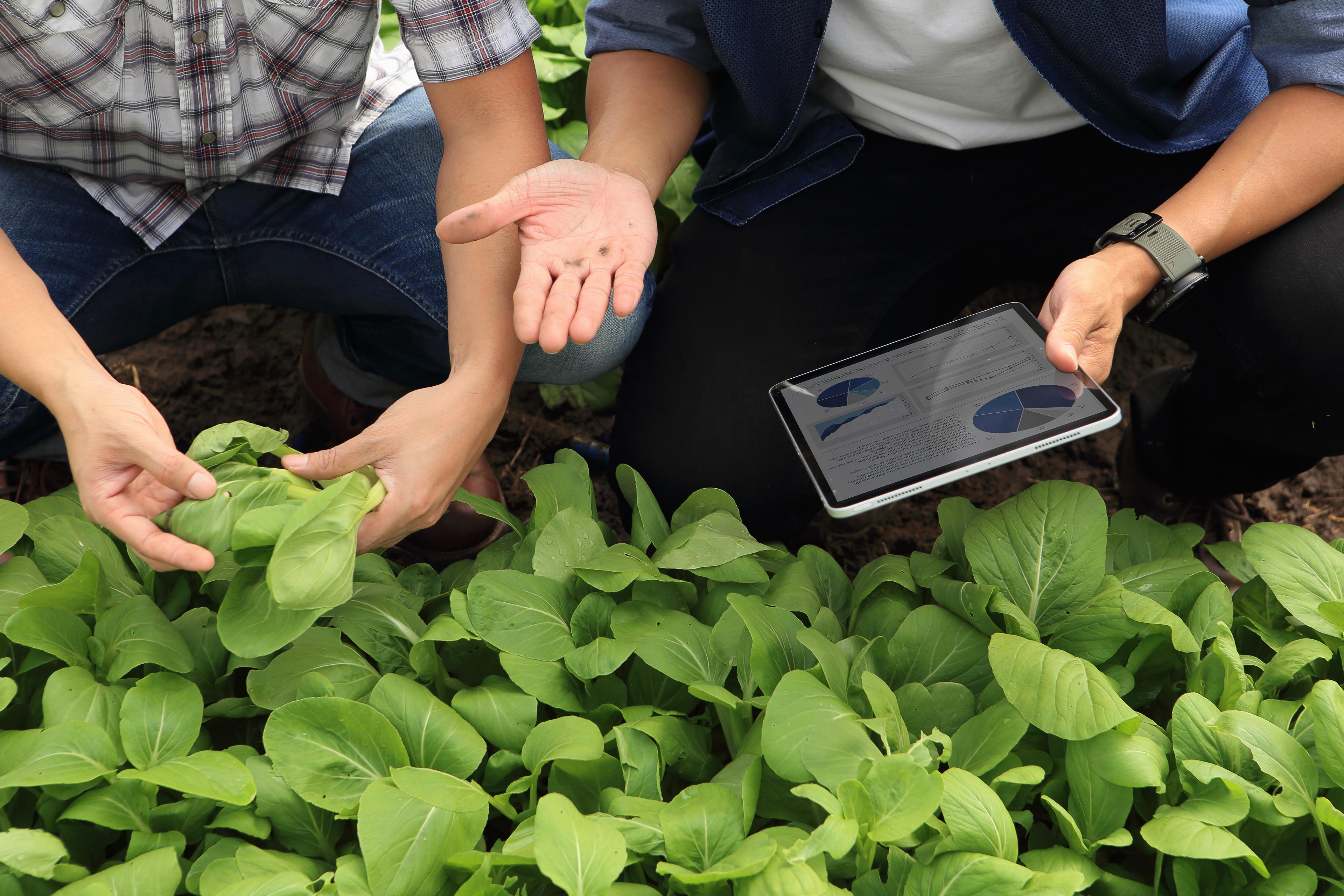
IoT agriculture enhances farming by automating processes such as irrigation, fertilization, and pest control. With sensors providing real-time data, farmers can make informed decisions that improve efficiency and crop quality.

What are the benefits of using IoT in agriculture?

The benefits include improved crop yields, reduced water and fertilizer usage, and better livestock management. IoT solutions allow farmers to monitor environmental conditions remotely, making agriculture more sustainable.

Can IoT agriculture help with climate adaptation?

Yes, IoT solutions can help farmers adapt to changing climate conditions by providing data on weather patterns, soil moisture levels, and crop health. This allows for proactive adjustments in farming techniques to better cope with extreme weather events.

What types of IoT devices are used in agriculture?

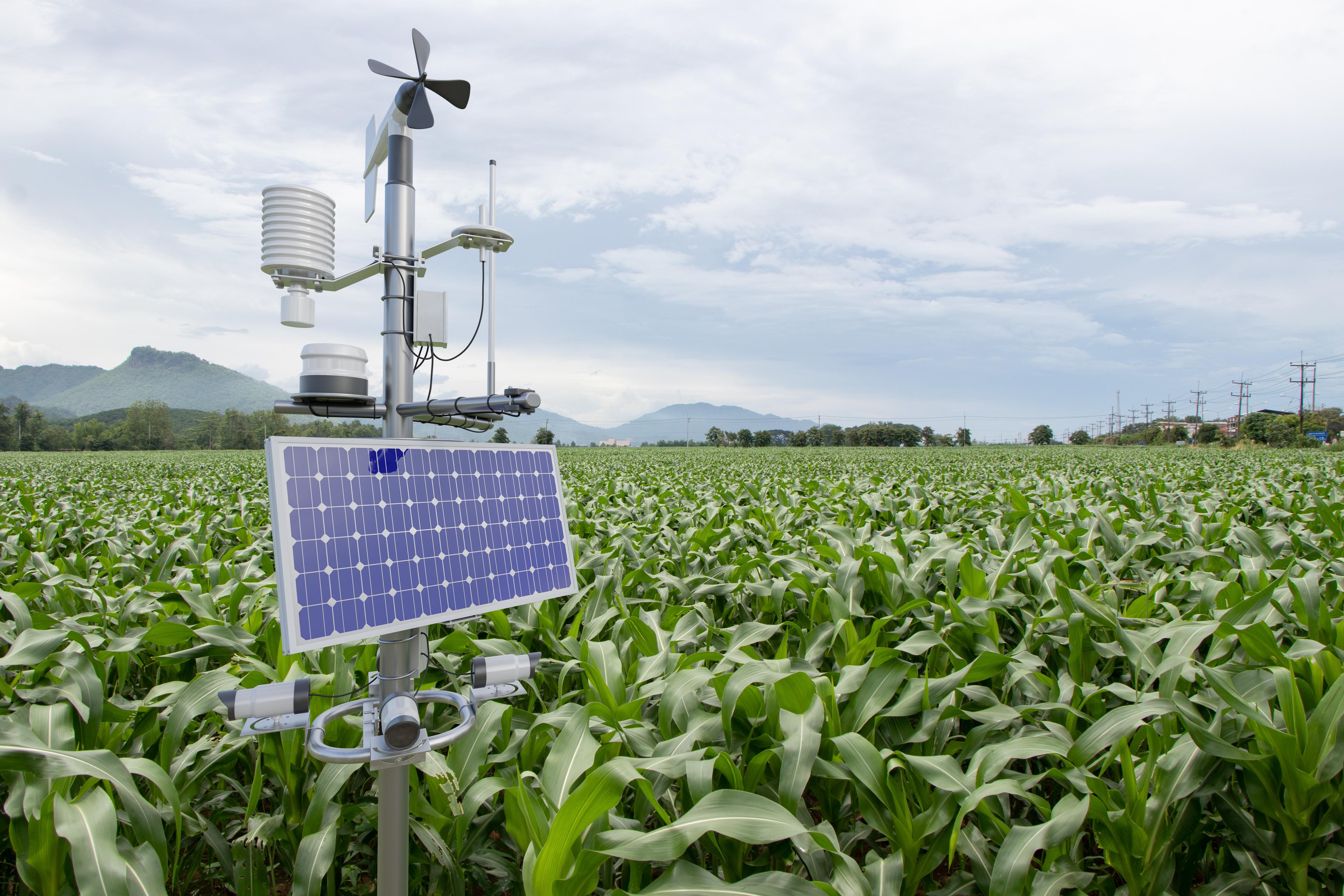
IoT devices commonly used in agriculture include soil sensors, weather stations, and GPS-enabled machinery. These devices collect and transmit data to help farmers make more informed decisions.

How does IoT agriculture integrate with solar-powered farms?

IoT agriculture can be easily integrated with solar-powered farms, providing a sustainable and energy-efficient solution for remote monitoring and automation. Learn more about the benefits of solar-powered IoT solutions on our solar energy solutions page.