Deliver Real-Time Insights. Optimize Performance.
Solar operations depend on real-time visibility, from tracking energy generation and managing battery storage to detecting faults before they impact performance. Simbase delivers seamless, redundant connectivity with rugged, multi-network SIMs that automatically connect to the strongest available signal.
Our centralized platform gives your team full control over every device in the field, all from one dashboard, no matter how remote the deployment.
Remote Coverage
SIM Management
Flexible Pricing
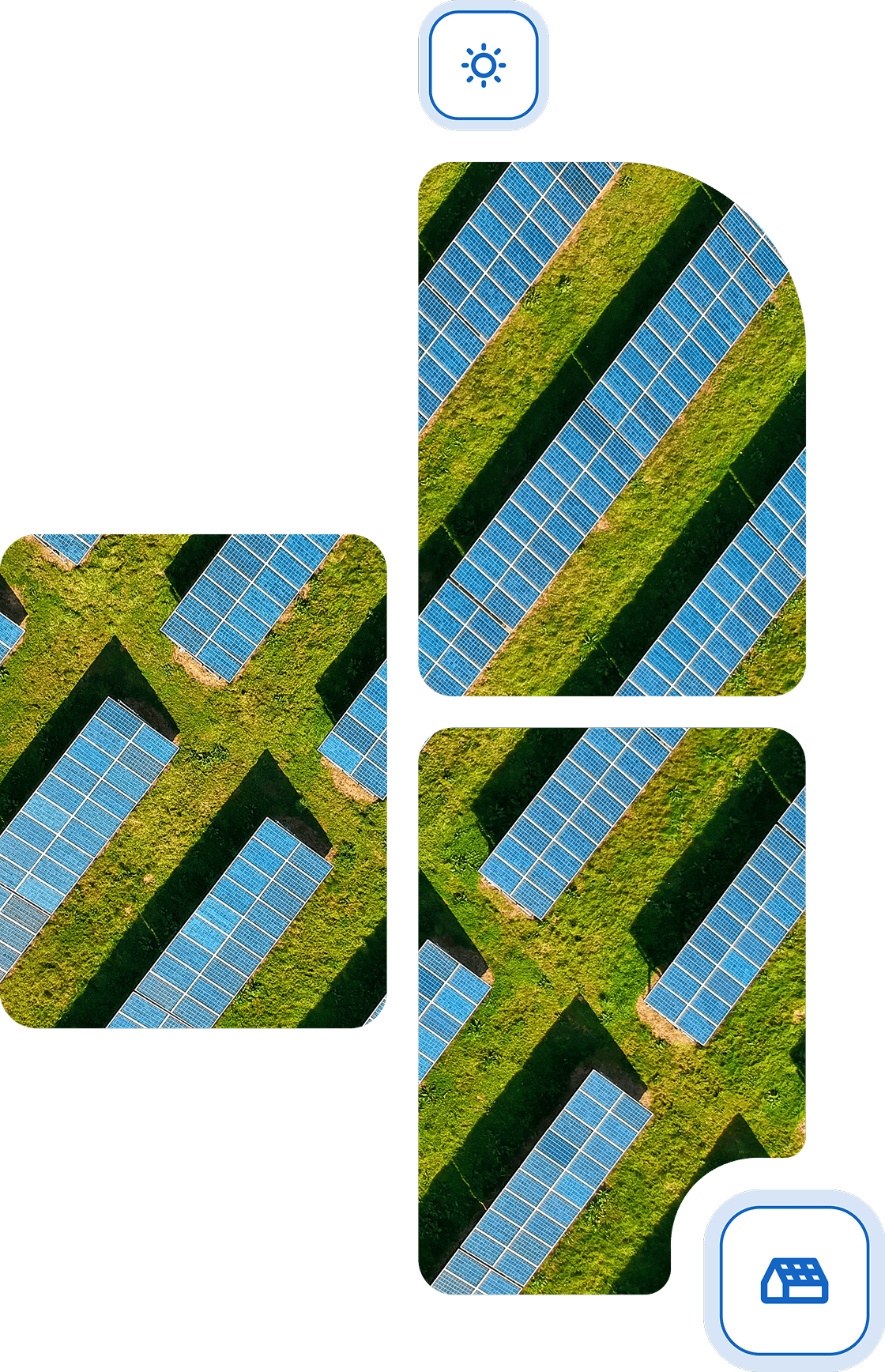
Solar systems are often installed in remote or hard-to-reach areas where single-carrier coverage can be unreliable. Simbase’s multi-IMSI SIMs automatically connect to the strongest available network, providing built-in redundancy and consistent connectivity, even in the most isolated locations. With always-on access to real-time performance data, your team can monitor usage, detect issues, and optimize output without setting foot on site.


"Simbase's flexible and transparent pricing has made managing our budget a breeze. Their SIMs roam freely across Europe without any worry of overages. We're thrilled with the excellent performance and reliability they provide everywhere our products go."
If any of your questions remain unanswered, reach out to our team to answer them for you.
IoT in the solar energy industry involves the use of connected devices and sensors to monitor and optimize solar panel performance, track energy production, and manage energy storage systems. IoT ensures efficient operation by providing real-time data for performance analysis and predictive maintenance. Similar IoT solutions are transforming sectors like industrial operations, where smart devices enhance equipment monitoring and automation.
Simbase IoT solutions benefit solar energy management by offering real-time monitoring of solar panel output, optimizing energy storage systems, and providing insights for better energy distribution. These capabilities lead to more efficient energy use and reduced operational costs for solar farms and individual users.
IoT devices in solar energy systems include smart inverters, energy meters, connected sensors, and monitoring platforms. These devices help track energy generation, monitor system health, and ensure optimal energy flow across the grid. Such technologies are also used in industries like smart agriculture, where IoT devices monitor environmental conditions to optimize crop production.
IoT improves the efficiency of solar energy production by providing real-time data on energy output, allowing for adjustments to optimize performance. Predictive maintenance features can prevent downtime, while advanced analytics enable smarter energy distribution to meet demand.
To get started with Simbase IoT solutions for solar energy, contact Simbase’s team for a consultation. They will guide you through integrating IoT technology into your solar operations, ensuring a smooth and effective setup for long-term efficiency.