IoT Connectivity

IoT Connectivity

you control

Connect on multiple networks in each country, start free, and manage every SIM in one dashboard with real time usage and controls. Pay as you go and pay less as you grow.

sim image

Reliable Connectivity,

Unbeatable Pricing

[object Object]

Connect Anywhere

Whether your deployment is local or global, Simbase lets you change coverage at any time, at no additional cost. Only pay for global access when you need it.

[object Object]

Stay Online

SIMs switch between available partner networks when coverage changes, keeping devices connected as they move or roam.

[object Object]

Leading Networks

Works with 2G, 3G, 4G LTE, and LTE-M where available. Multi-IMSI and eUICC support give broad device compatibility across regions.

Built for the Way IoT Actually Works

The Simbase Network

Simbase sits on top of the world’s leading carriers and turns them into one unified service. With one SIM you can access multiple networks in each country and connect in 160+ countries. Use zone based pricing by default, or choose per network rates where you need finer control, all managed from the dashboard.

  • list iconConnect locally or in 160+ countries with a single SIM
  • list iconActivate, pause, or resume SIMs in real time
  • list iconOnly pay for what you use, no overage penalties or idle fees

Get the tools enterprises get

Simbase puts enterprise grade IoT connectivity controls in your hands without contracts, with access to multiple networks per country and automatic failover, fixed IP for direct inbound access, and per network pricing controls, all from one dashboard.

  • list iconMulti-network availability ensures optimal signal and uptime
  • list iconManage SIMs, IPs, and VPNs from a single intuitive platform
  • list iconSet per network rates, monitor usage, and automate with APIs

Take Full Control of Your Connectivity

Our easy-to-use SIM platform gives you full control over where and when your devices connect. Save time and reduce costs by paying only for active SIMs and services, instead of managing complex rate plans and data pools.

  • list iconReal-time usage data, diagnostics, and location tracking
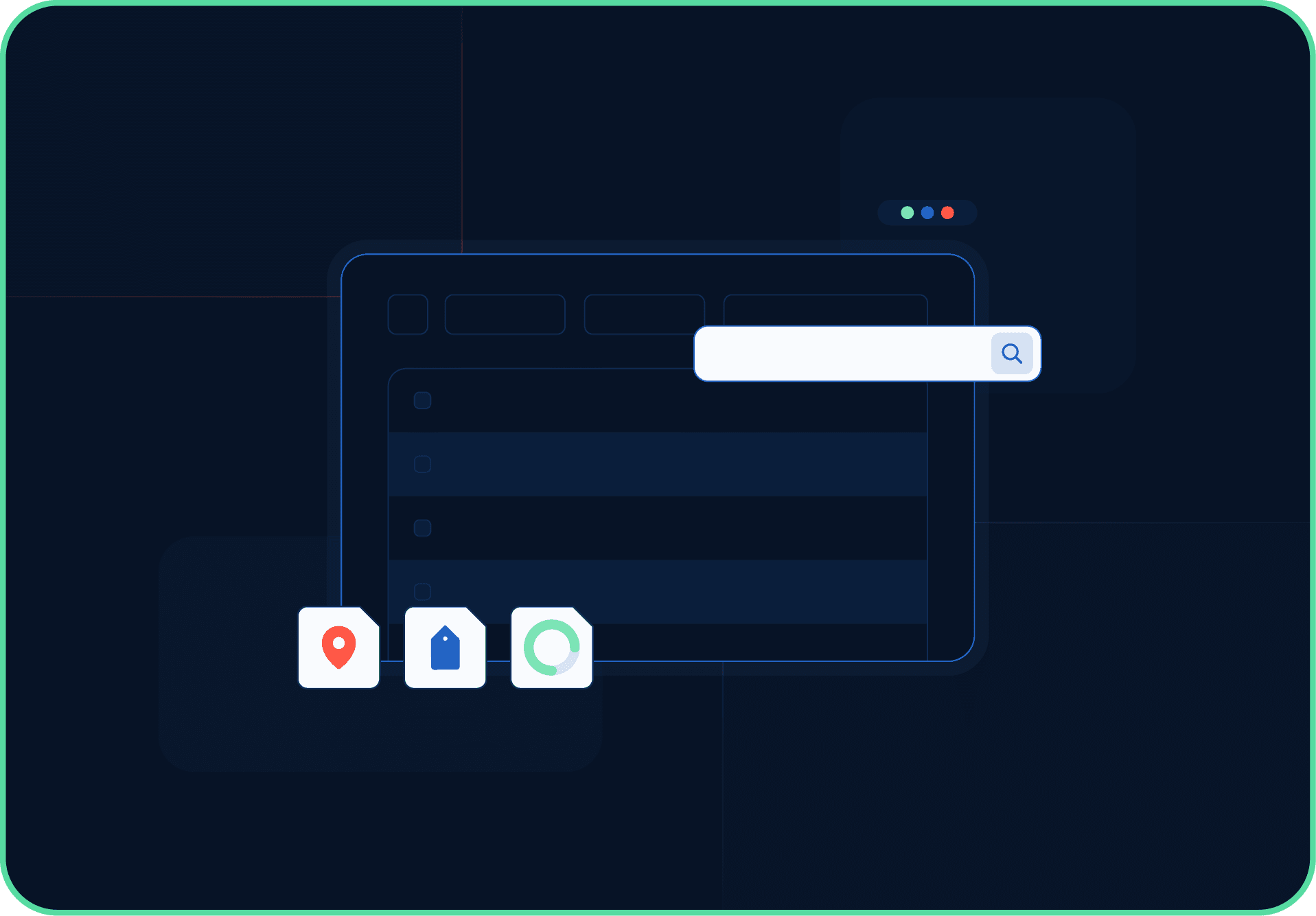
  • list icon Tag, search, and manage SIMs in bulk with ease
  • list iconNever pay for inactive SIMs again

Frequently Asked Questions

If any of your questions remain unanswered, reach out to our team to answer them for you.

What is Cellular IoT Connectivity?

Cellular IoT connectivity specifically relates to the use of mobile telecommunication networks to connect IoT (Internet of Things) devices. It allows these devices to exchange information with each other and other systems over the internet, leveraging the extensive coverage and reliable data transmission capabilities of cellular networks. Cellular IoT connectivity options include 4G LTE, 5G, NB-IoT (Narrowband IoT), and LTE-M (LTE for Machines). As the backbone of the IoT landscape, this form of connectivity enables remote and continuous access to data from IoT sensors, devices, and software, supporting their collaborative functions across a broad geographic scope.

Why is IoT connectivity important?

IoT connectivity is crucial as it allows data from multiple devices to aggregate, analyze, and act upon in real-time. It enables businesses and individuals to gain valuable insights, automate processes, improve efficiency, and create new business opportunities. For instance, in a smart home setup, IoT connectivity allows devices such as lights, thermostats, and security systems to work together intelligently, enhancing comfort and efficiency. In industrial settings, IoT connectivity can drive predictive maintenance, supply chain optimization, and energy management, leading to cost savings and improved operations.

How is IoT connected?

Cellular IoT is connected through mobile network protocols that offer broad coverage and dependable data transmission capabilities. This is particularly useful for IoT devices that are dispersed over larger areas such as cities, countries, or globally like utility meters, fleet management systems, or smart agriculture sensors. These devices rely on cellular networks such as 4G LTE, 5G, Narrowband IoT (NB-IoT), or LTE for Machines (LTE-M) for their connectivity requirements.

In the modern IoT landscape, SIM-based connectivity with eSIMs (embedded SIMs) or iSIMs (integrated SIMs) is becoming increasingly prevalent. This is due to their flexibility in switching network providers, scalability for large deployments, and global reach, enabling seamless IoT device operation regardless of geographical location. This cellular connectivity approach is fundamental to numerous IoT applications that demand wide coverage and reliable, high-speed data transfer.

How does Cellular IoT Connectivity work?

Cellular IoT Connectivity works by leveraging existing cellular networks (such as 2G, 3G 4G etc) to connect IoT devices to the internet. Devices use SIM cards or embedded SIMs to access the network, send and receive data and commands.

What are the benefits of using Cellular IoT Connectivity?

There are many benefits that IoT Connectivity provides with some of the most significant being:

  • Scalability: Easily supports a large number of devices, making it suitable for large-scale deployments including World Wide deployments
  • Wide Coverage: Utilizes existing cellular networks for broad and reliable coverage, even in remote areas where Wired connections are not an option.
  • Mobility: Supports mobile applications, allowing devices to stay connected while on the move.

What industries can benefit from IoT Connectivity?

IoT Connecivity has a wide range of applications such as:

  • Healthcare
  • Agriculture
  • Transportation
  • Energy
  • Manufacturing
  • Automotive
  • MicroMobility
  • Retail
  • Smart Cities
  • Advertising
  • Broadcasting

How secure is Cellular IoT Connectivity?

Cellular IoT Connectivity is generally secure due to features like data encryption, SIM authentication, robust network security protocols, and the ability to operate on private networks. However, additional measures like device authentication and regular updates are recommended to enhance security further.

Can IoT Connectivity scale with my business needs?

Yes, Simbase IoT Connectivity can scale with your business needs. It supports a large number of devices and can easily expand as your operations grow, making it suitable for both small and large-scale deployments.

What is the future of IoT Connectivity?

Sky is the limit! The rise of 5G and AI will enable more efficient, reliable, and secure IoT ecosystems, supporting a broader range of applications.

get started image

Get Started with Simbase

  • arrowControl
  • arrowMonitor
  • arrowScale